
01Horizontal directional drilling

Horizontal DirectionalDrilling

Steerable, trenchless installation of ducts and pipelines beneath roads, services and sensitive ground, with minimal disruption at the surface.

Capability
HDD
Index
01 / 04
Sectors
HDD · TELECOM · OFC · GAS · UTILITY

01Overview

Crossings made below the surface — not through it.

Horizontal directional drilling (HDD) installs ducts and pipelines along a planned, steerable bore path — passing beneath roads, existing utilities and obstacles that would otherwise have to be dug up.

A pilot bore is tracked and steered from entry to exit, then enlarged and used to pull the product back into place. The road above stays open, and the surface remains largely untouched.

For Acuity StoneDrill, HDD is the core of what we do: the method that lets telecom, fibre and gas networks cross the places where trenching is impractical or unacceptable.

02Process

How the work runs.

  1. 01

    Entry

    The rig is set up and the drill string enters the ground at a shallow angle.

  2. 02

    Pilot bore

    A steerable drill head follows the designed profile, tracked from the surface.

  3. 03

    Reaming

    The pilot hole is enlarged in one or more passes to suit the product diameter.

  4. 04

    Pullback

    The duct or pipe is pulled back through the bore behind the reamer.

  5. 05

    Exit & restoration

    Pits are closed and the working areas restored.

03Applications

Where it is used.

  • 01

    Road & junction crossings

    Ducts and pipelines installed beneath live carriageways without closing them.

  • 02

    Telecom & fibre ducts

    Trenchless duct runs for optical fibre and telecom networks.

  • 03

    Gas distribution crossings

    Crossings for gas pipeline networks where open-cut is not suitable.

  • 04

    Dense urban corridors

    Routes past existing services, structures and footpaths with limited working space.

04Execution methodology

Controlled from start to finish.

Pre-bore investigation
Route walk-down, utility locating and a read of ground conditions before setting up.
Profile design
Entry and exit points, depth of cover and bend radius planned around the crossing.
Tracked steering
Drill head position monitored as the bore advances, with corrections made in real time.
Drilling fluid management
Fluids prepared, monitored and contained to stabilise the bore and protect the site.
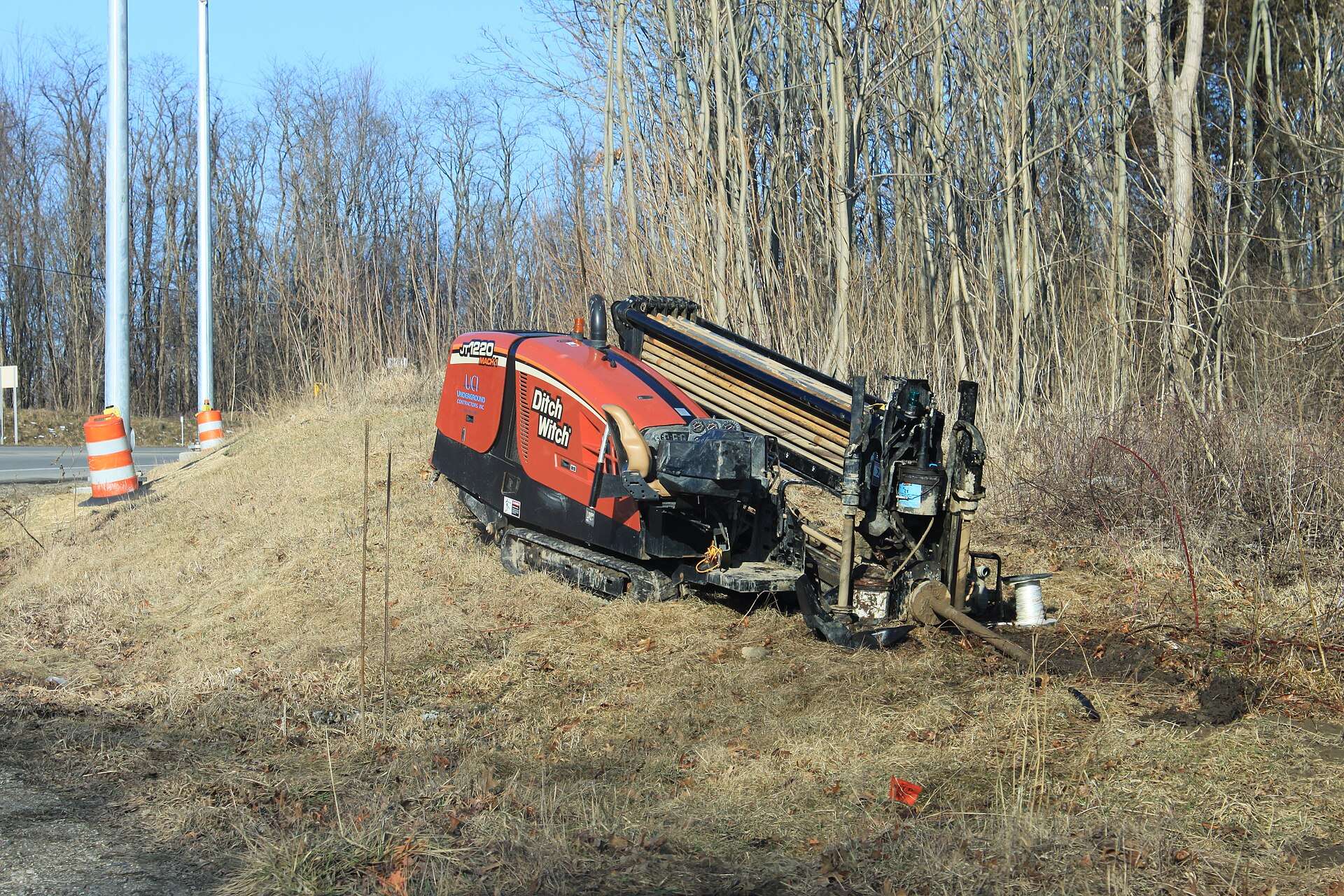
Horizontal directional drilling rig set up on a roadside verge beside traffic cones

06Project examples

Related work.

View project: Gas Infrastructure Project — Executed through M/s Five Star Engineers for THINK Gas.
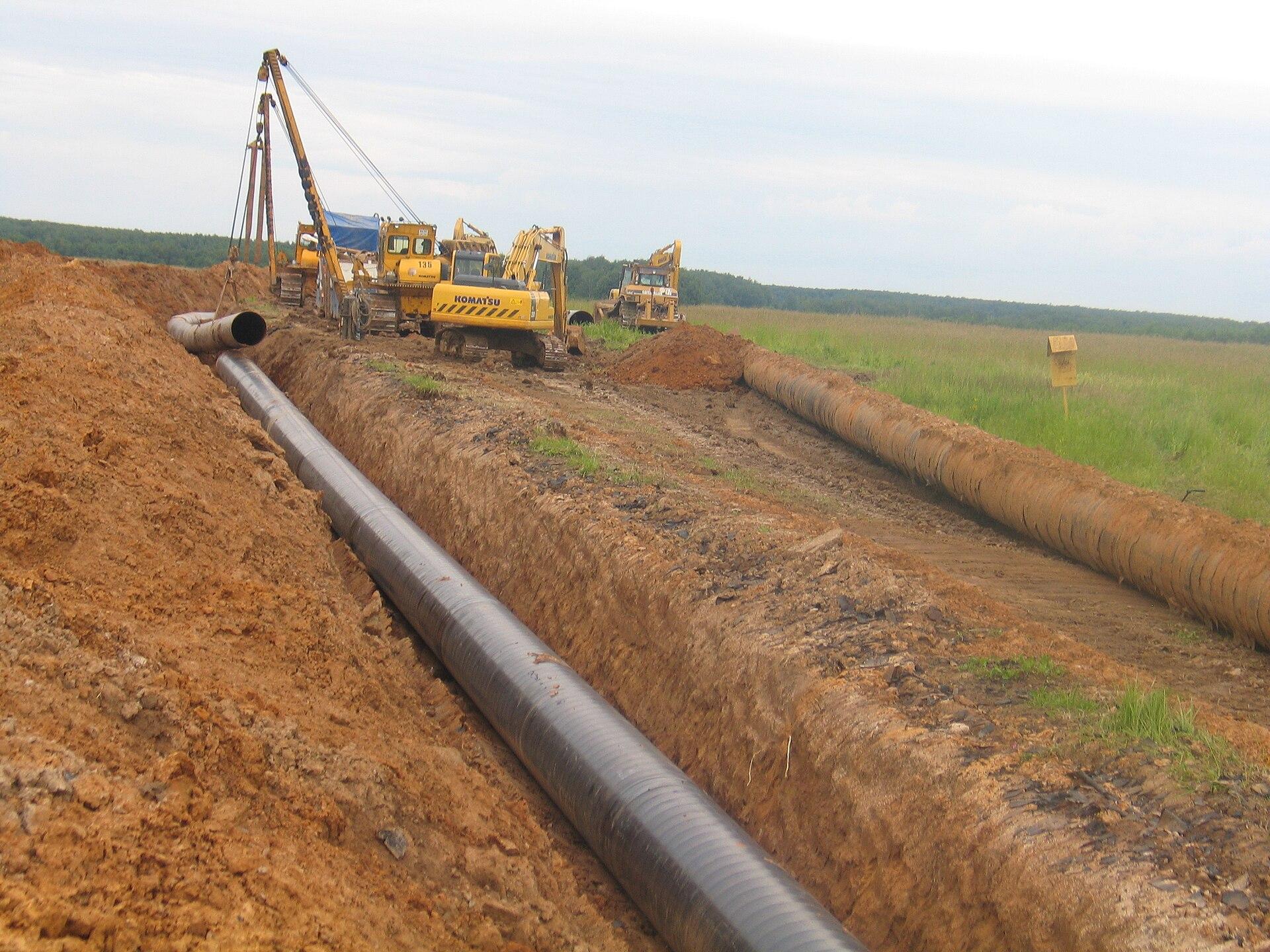
Coated gas pipeline lying in a long excavated trench with construction machinery beyond
Representative image

01 / Gas Infrastructure

Gas Infrastructure Project

Executed through M/s Five Star Engineers for THINK Gas

Gas infrastructure work executed through M/s Five Star Engineers for THINK Gas. A detailed project profile will be published soon.

Executed for
THINK Gas
Executed through
M/s Five Star Engineers
Sector
Gas Infrastructure
Location
Location to be published
Scope
Detailed project profile coming soon
Year
To be published
Status
Ongoing

07FAQ

Questions, answered.

HDD is a trenchless method of installing underground pipes, ducts and cables. A steerable pilot bore is drilled along a planned path, enlarged by reaming, and the product is then pulled back through it — avoiding a continuous open trench.

HDD is typically chosen for crossings under roads, junctions, drains and existing services, and wherever surface disruption, traffic impact or reinstatement must be kept to a minimum.

HDD is commonly used for telecom and optical fibre ducts, gas distribution pipes, power and utility conduits and other pressure or gravity-tolerant pipelines, depending on ground conditions and design.

Route drawings or location, crossing length, the product type and size, known existing utilities, access for entry and exit pits, and any permit conditions. We can review what you have and advise on next steps.

Start a project · Route / Entry / Exit

Have a project below the surface?

Planning a crossing, a fibre route or a gas network extension? Share the route, the constraints and the timeline — we will come back with how we would approach it.

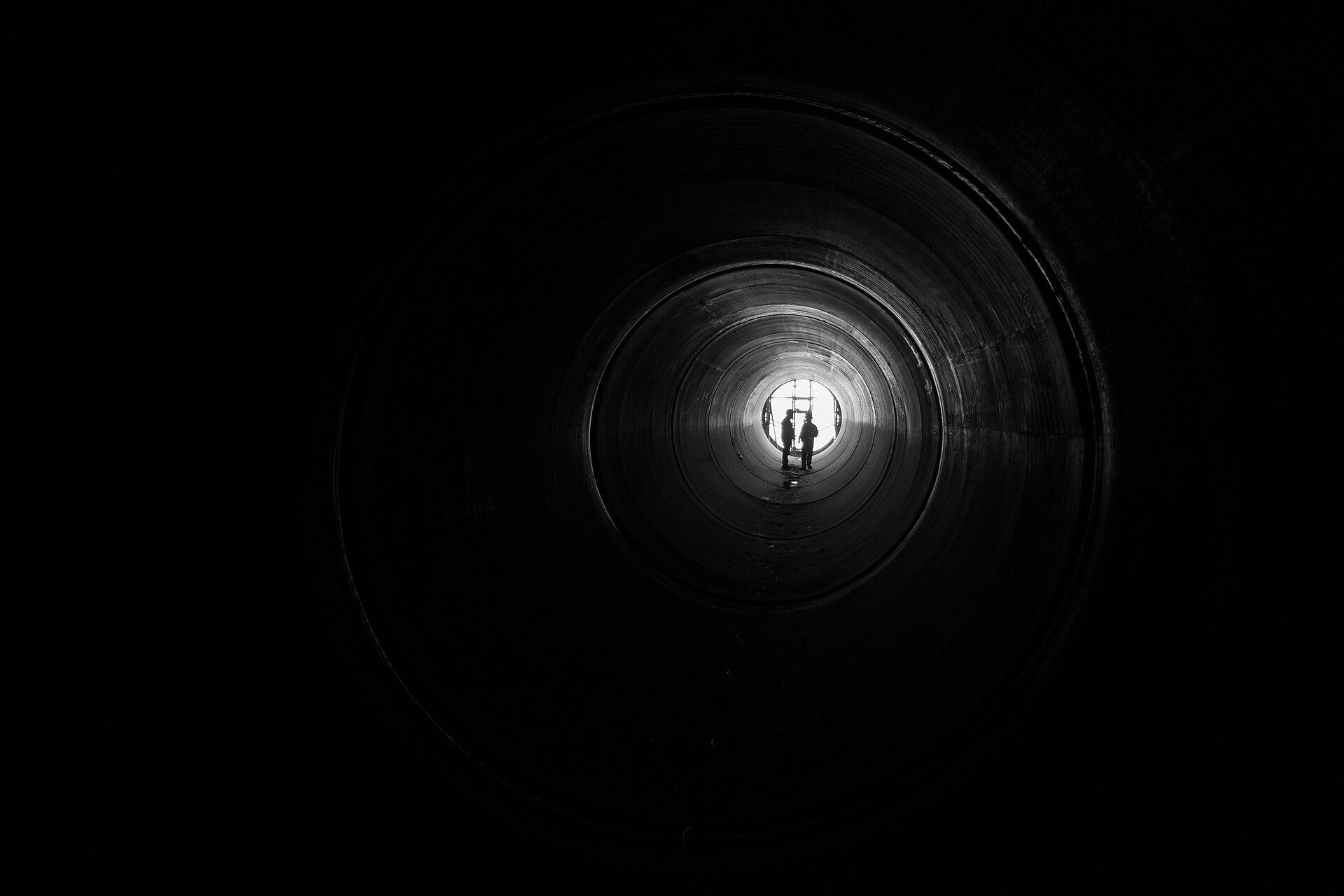
View through the inside of a large HDPE pipe towards light and two silhouetted figures

The next chapter→